The Rise of IoT in Healthcare: Revolutionizing Medical Care Through Connectivity
IoT in healthcare refers to a network of medical devices, sensors, and wearables that continuously collect, analyze, and transmit data related to patient health. These devices help healthcare providers remotely monitor patients’ health conditions and intervene when necessary.
Examples of IoT Devices in Healthcare
IoT will reduce costs, remotely monitor patients, diagnose diseases early, and improve medical decision-making.

- Wearables: Smartwatches and fitness bands that monitor vital signs like heart rate, blood pressure, and activity levels.
- Remote Monitoring Devices: Devices that measure blood pressure, blood sugar, and other vital signs.
- Smart Inhalers: Devices that track medication usage for patients with asthma.
- Smart Infusion Pumps: Pumps that automatically deliver medication to patients, requiring connected devices for accurate management.
Benefits of IoT in Healthcare
1. Remote Patient Monitoring
IoT allows healthcare providers to remotely monitor patient health. This is especially useful for managing chronic conditions or providing care to patients in remote areas. Doctors can continuously track data and make necessary interventions.
2. Early Disease Detection
IoT devices can detect abnormal changes in vital signs. This capability helps identify diseases in their early stages, enabling timely interventions.
Healthcare with Internet of Things and pain reduction
The Internet of Things in the field of healthcare seems very bright.
3. Chronic Disease Management
For patients with chronic conditions like diabetes and hypertension, IoT devices allow continuous monitoring of their health. This leads to better management of the disease and fewer complications.
4. Reduced Healthcare Costs
By using connected devices and reducing the need for in-person visits, healthcare costs are lowered. This also improves patient access to medical care, especially in underserved areas.
5. Better Decision-Making
Real-time data collected from IoT devices helps doctors make more informed and timely decisions for patient treatment.
Challenges of IoT in Healthcare
1. Security and Privacy Concerns
Protecting patient data is essential. Data breaches could have serious consequences, making it crucial to implement robust security measures, such as complying with HIPAA and GDPR regulations to safeguard patient privacy.
2. System Integration
Devices and systems from different manufacturers may not always integrate seamlessly, leading to compatibility and interoperability issues that can affect the efficiency of healthcare delivery.
3. Technology Adoption
There may be resistance to adopting IoT among healthcare providers and patients due to the need for new technology skills or changes in workflow. Proper training and support are necessary to facilitate this transition.
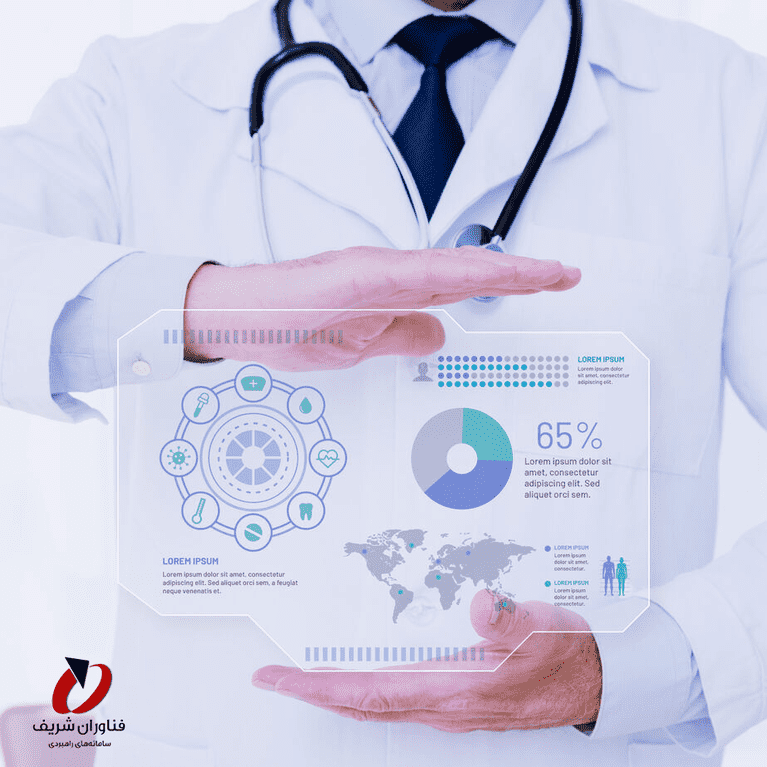
The Future of IoT in Healthcare
The future of IoT in healthcare looks promising. Advancements in technologies such as artificial intelligence (AI), 5G, and wearables are expected to bring about major changes in how healthcare is delivered. Some of these advancements include:
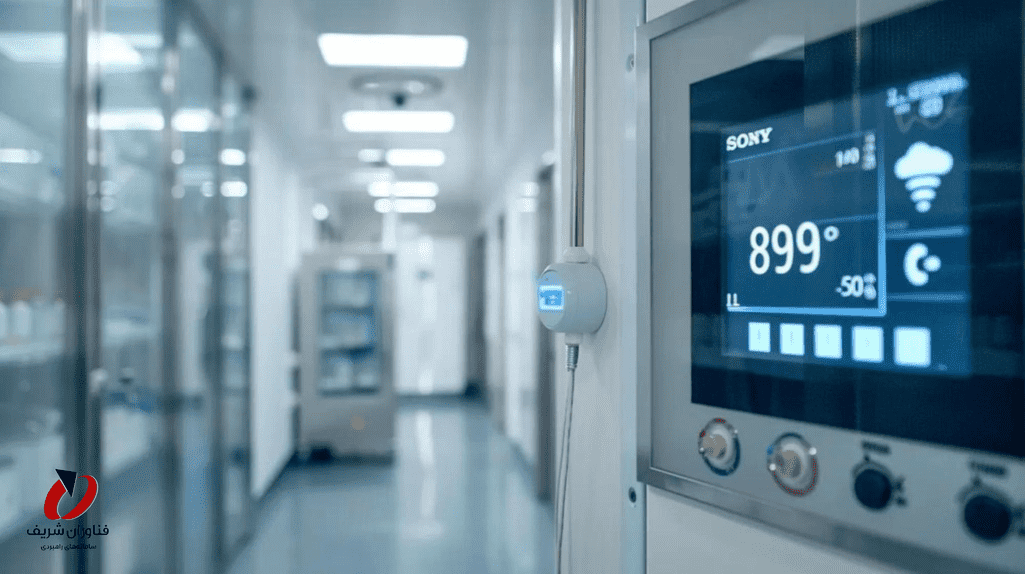
- Artificial Intelligence and Machine Learning: These technologies can analyze data collected from IoT devices to provide more accurate predictions about patients’ health conditions.
- Use of 5G: 5G enables faster and more stable data transmission, which can help enhance the quality of healthcare and reduce delays.
- Advanced Wearables: New wearable devices with more advanced capabilities are being developed to simultaneously track multiple health parameters.
The Internet of Things in healthcare is a transformative force that enhances the quality of medical care, reduces costs, and enables doctors to assist their patients more effectively and accurately. With ongoing advancements in technologies like AI, 5G, and wearables, the future of connected healthcare looks brighter, offering more efficient and accessible medical care.
Comments are closed.